Planning a Trip to the Hatta Mountains: What You Need to Know
Understanding the Hatta Mountain Landscape
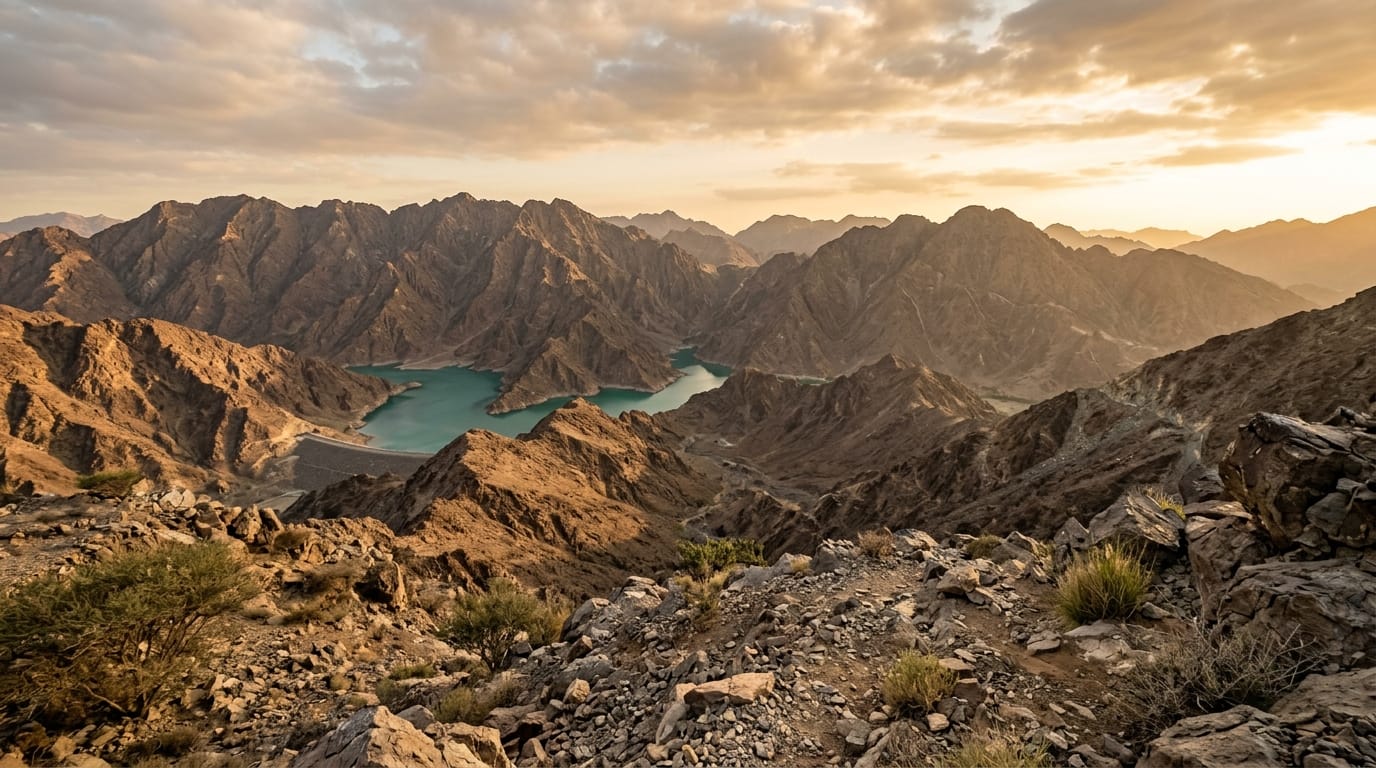
Before you set out for the Hatta Mountains, it helps to know what you are getting into. This region is not a single peak but a collection of rugged Hajar mountain ranges, deep wadis, and man-made attractions set around the Hatta Dam. The terrain is rocky and steep in places, with gravel roads and unpaved tracks that demand a vehicle with decent ground clearance. The climate is noticeably cooler than coastal Dubai, especially in winter, but summer afternoons can still be intense. Knowing this mix of natural and developed spots will shape how you pack, where you go, and what you do.
Your first task is to decide what kind of experience you want. Are you after a quiet day by the water at Hatta Kayak, a historical walk through Hatta Heritage Village, or something more active like the Hatta Mountain Bike Trail? Each activity sits in a different part of the area, so your choice of base and timing matters. Many visitors start at the Hatta Wadi Hub, which acts as a central information point and ticket office for several attractions. It is worth checking the opening hours of each site online before you leave, as some close early or operate on a seasonal schedule.
Step 1: Choose Your Transport and Route
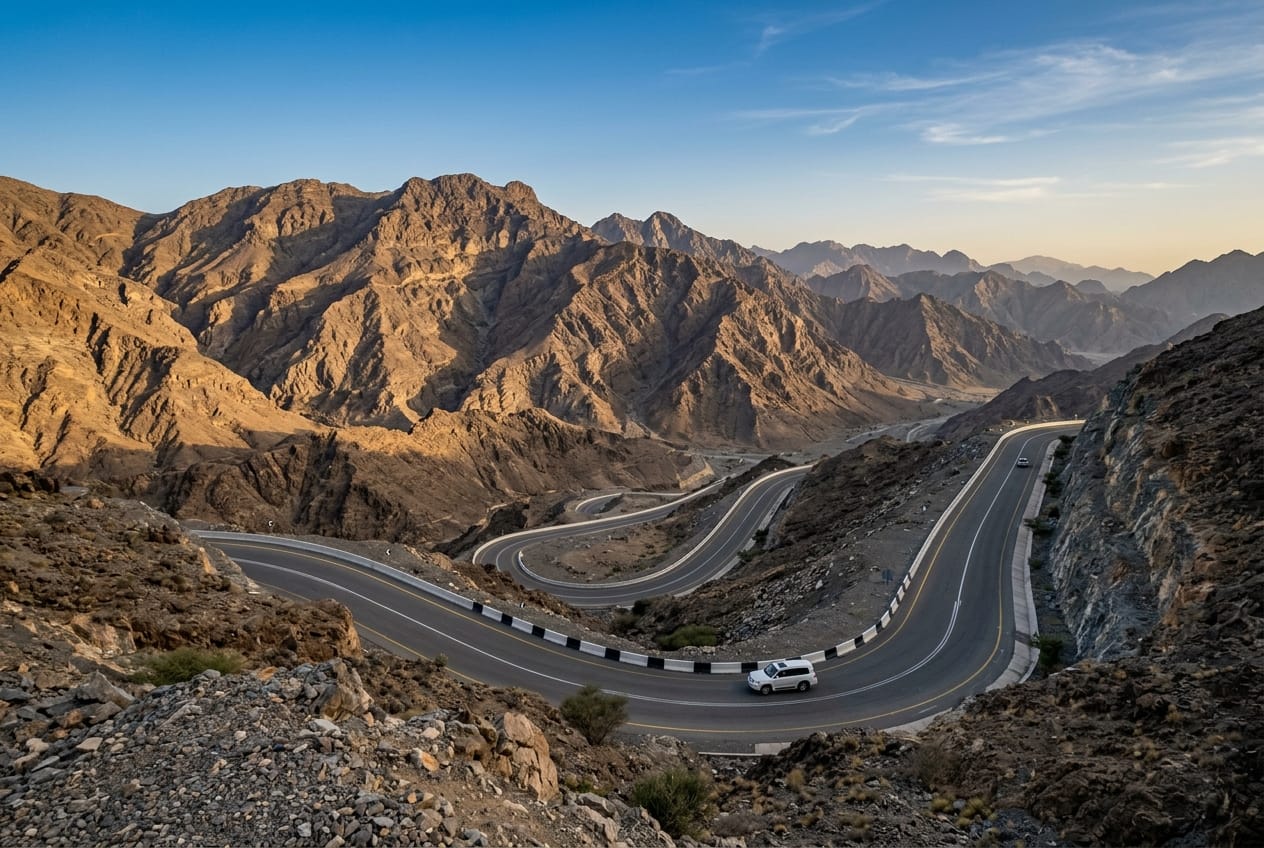
The drive from central Dubai to the Hatta Mountains takes roughly 90 minutes via the E44 and E102 highways. Most of the journey is on smooth, well-maintained roads, but the final stretch involves winding mountain passes. A standard car can make it, though a 4x4 gives you more flexibility for exploring the rougher wadi tracks that lead to the Hatta rock pools. If you are relying on a rental vehicle, check your insurance covers off-road driving if you plan to leave the main road. Public transport options are limited, so driving is the practical choice for most groups.
Watch your fuel level before you leave the city. Petrol stations are sparse once you pass the last suburbs, and the nearest one inside the Hatta area is near the Hatta Wadi Hub. Fill up in Dubai or at the station just before the turnoff to Hatta. Similarly, carry plenty of drinking water and some snacks because restaurants and cafes are concentrated around the dam and the heritage village, and they may have long queues on weekends.
Step 2: Decide Your Entry Points and Tickets
Several attractions in the Hatta Mountains require a pre-booked ticket or an entry pass. The Hatta Wadi Hub sells combination passes for the zipline, archery, and kayaking, but you can also book individually. If you are visiting during peak season (November to March), book at least a few days in advance. The Hatta Heritage Village and Hatta Fort are free to enter, though donations are accepted. Check the official timings for the Hatta Hill Park, as this spot is popular for picnics and sunset views, and it can reach capacity on public holidays.
One practical tip: carry your booking confirmation on your phone or as a printout. Mobile reception can be patchy in the deeper valleys, so offline access to your tickets and maps saves hassle. If you plan to use the Hatta Mountain Bike Trail, you will need to rent a bike from the shop at the wadi hub or bring your own. The trail is graded, so choose a route that matches your fitness and skill level. Beginners should stick to the green and blue loops, while experienced riders can tackle the red and black runs.
Step 3: Pack for the Conditions
The Hatta Mountains have a wide temperature swing between day and night, especially in winter. A typical December day might start at 10°C in the morning and climb to 25°C by midday. Wear layers that you can peel off as the sun rises. Sturdy shoes with good grip are non-negotiable if you plan to walk the rocky paths around the Hatta rock pools or the fort. Sandals are fine for the dam area but will leave you uncomfortable on uneven ground.
Sun protection is critical. The altitude and the reflective surfaces of the rocky slopes amplify UV exposure. Bring a hat, sunglasses, and sunscreen with at least SPF 30. Reapply every two hours, especially if you are on the water at Hatta Kayak. A small first-aid kit with blister plasters, antiseptic wipes, and pain relief is wise for longer hikes. If you are heading to the rock pools, pack a towel and a change of clothes, as the water is cold, even in summer.
Step 4: Plan Your Day Around the Sun
The best light for photography and the most comfortable temperatures happen in the early morning, between 7 and 10 am, and again in the late afternoon, from 3 pm onward. The midday sun, particularly between June and September, can be punishing with little shade on the exposed ridges. Schedule your indoor or water-based activities (like the Hatta Heritage Village or kayaking) for the middle of the day, and save the hiking and biking for the cooler hours. Sunset at Hatta Hill Park is a popular event, so arrive early to claim a good spot and bring a torch for the walk back to your car after dark.
If you plan to visit the Hatta rock pools, set off in the morning when the water is clearest and the crowds are thin. The pools are accessed via a short but steep descent from the parking area, and the path can be slippery after rain. Check the weather forecast before you go; flash flooding is a real risk in wadis during heavy rain. Do not attempt to cross a flowing wadi in your vehicle or on foot. Turn around and wait for conditions to improve.

Step 5: Respect the Environment and Local Rules
The Hatta Mountains are a protected natural area, and the local authorities enforce rules to keep it clean and safe. Take all your rubbish with you. Do not light fires outside the designated barbecue pits at Hatta Hill Park. The rocky terrain dries out quickly, and a discarded cigarette butt can start a wildfire. Swimming is allowed in the dam and the rock pools, but avoid using soap or shampoo in the water, as it harms the aquatic life. Stick to marked trails to avoid disturbing the native vegetation and wildlife.
If you are cycling the Hatta Mountain Bike Trail, yield to hikers and keep your speed down on blind corners. The trail shares sections with pedestrian paths in some places. Helmets are mandatory on the bike trail, and knee and elbow pads are recommended for the more technical sections. Respect the local community by keeping noise levels low, especially in the heritage village and near the fort. Friday and Saturday afternoons are the busiest times, so if you prefer a quieter experience, aim for a weekday visit.
Step 6: Know Where to Eat and Refuel
Dining options in the Hatta area are limited but improving. The Hatta Wadi Hub has a cafe that serves sandwiches, salads, and hot drinks. There is also a small grocery store near the dam entrance where you can buy basic supplies. Many visitors bring their own picnic and use the shaded tables at Hatta Hill Park or the grassy areas near the dam. If you want a proper meal, head to the restaurant inside the Hatta Heritage Village, which offers local Emirati dishes in a traditional setting. Book ahead on weekends, as tables fill quickly.
For a more complete resource on planning your trip, including up-to-date timings, ticket prices, and route suggestions, you can check the site hattamountaintourdubai.com. It provides a practical overview of the main attractions and helps you build an itinerary that fits your schedule. Remember that the information there is a starting point; always confirm details directly with the attraction operators before you travel.
Step 7: Handle Emergencies and Unexpected Situations
Mobile phone reception is reliable around the dam and the heritage village, but it drops out in the deeper wadis and along some sections of the mountain bike trail. Download offline maps of the area before you leave the city. Let someone know your planned route and expected return time if you are going on a long hike or bike ride. The emergency number in the UAE is 999, and the Hatta police station is located near the entrance to the Hatta Wadi Hub. For minor vehicle breakdowns, the nearest garage is in the town of Hatta, about 5 km from the dam.
If you get lost on a trail, stay put and conserve your phone battery. Try to find a high point where you might get a signal. The Hatta Mountain Bike Trail network is well signposted, but it is still possible to take a wrong turn in the maze of wadis. Carry a whistle and a power bank for your phone. Dehydration and heat exhaustion are the most common issues, so drink water regularly even if you do not feel thirsty. Signs of heat exhaustion include dizziness, nausea, and a rapid pulse. If you or someone in your group shows these symptoms, move to the shade, sip water slowly, and seek medical help if they do not improve.
To finish, a well-planned trip to the Hatta Mountains rewards you with a day of varied landscapes, outdoor activities, and a sense of escape from the city. The key is preparation: choose your activities, book ahead, pack appropriately, and respect the environment. Whether you come for the history, the adventure, or simply the scenery, the mountains have something to offer each visitor. The website hattamountaintourdubai.com is a good place to begin your research, but nothing beats the experience of standing at the edge of the dam or walking the quiet paths of the heritage village for yourself.